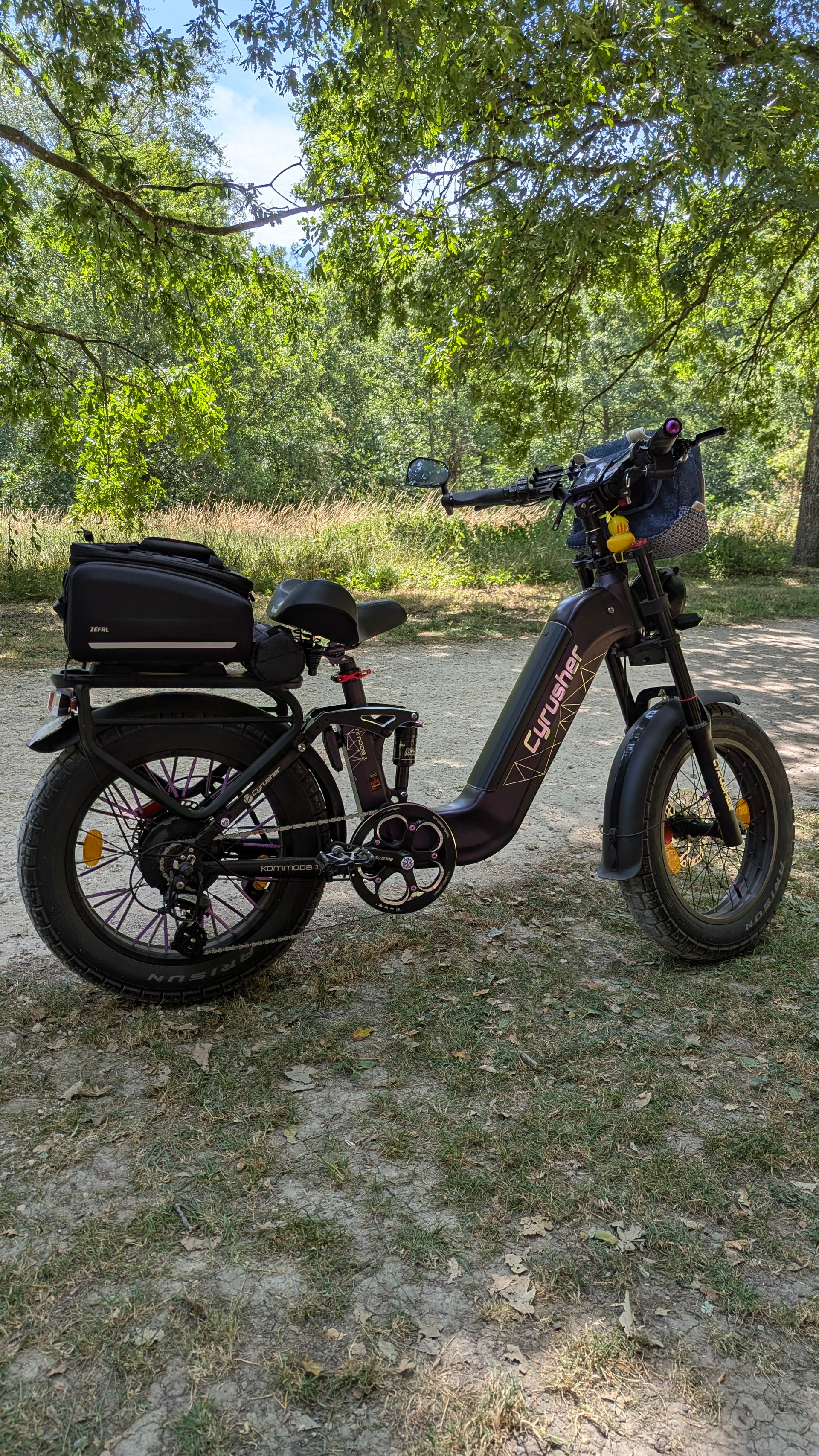
No. E-bikes are expanding cycling culture, not replacing it. Below is a clear breakdown explaining why.
1. E-Bikes Remove Physical Barriers, Not the Joy of Cycling
Mountainous areas become accessible
Steep hills stop many people from riding at all. E-bikes make climbing possible without removing pedaling, allowing more riders to experience cycling in hilly regions.
Riding up hills that regular bikes can’t manage
Routes once avoided become rideable. This expands where people can ride, not limits it.
2. E-Bikes Make Cycling Practical in Real-World Conditions
Hot and humid weather without heavy sweating
E-bikes reduce overexertion, allowing riders to commute without arriving soaked and exhausted.
Safer rides home with less knee pain and dehydration
Lower strain means riders finish trips feeling stable and safe, especially after long days.
3. E-Bikes Support Health, Recovery, and Long-Term Riding
Helpful for knee injury recovery
Pedal assist allows gentle movement, making cycling part of rehabilitation instead of a risk.
Encouraging sustainable fitness
Riders can ride longer and more often without burnout, leading to gradual health improvement.
4. E-Bikes Help People Who Struggle With Traditional Bikes
Better option for heavier riders
Traditional bikes can feel discouraging. E-bikes reduce early fatigue and build confidence.
Real motivation through enjoyment
Example: riding 20+ miles daily, losing 75 pounds over 18 months, and staying consistent because it feels achievable.
5. E-Bikes Expand Riding Distance and Possibilities
Less fatigue, more exploration
Riders can go farther, explore new areas, and enjoy longer trips without feeling exhausted.
Climbing becomes manageable
Hills stop being obstacles and become part of the ride.
6. E-Bikes Are Life-Changing for Disabled Riders
Freedom beyond medical devices
Disabled riders gain independent mobility without relying on expensive, restrictive equipment.
Independent exploration
E-bikes restore autonomy and dignity in movement.
7. E-Bikes Are Replacing Cars, Not Bicycles
Short car trips become bike trips
Commuting, errands, and daily travel shift from cars to e-bikes.
Traditional bikes remain for sport and fitness
E-bikes don’t eliminate cycling; they reduce car dependency.
8. E-Bikes Reignite Passion for Cycling
Former cyclists return
People who stopped riding due to age, injury, or time pressure find cycling enjoyable again.
Joy replaces suffering
Cycling becomes something people look forward to, not something they endure.
9. E-Bikes Create a More Inclusive Cycling Culture
Not limited to elite or athletic riders
Older adults, beginners, commuters, and casual riders all participate.
Long-term cost savings
Lower transportation costs make cycling practical and sustainable over time.
10. More Riders Lead to Better Cycling Infrastructure
More people in bike lanes
Visibility increases awareness and respect from drivers.
Stronger demand for bike lane construction
Cities invest when they see consistent usage, benefiting all cyclists.